About 48 minutes
Bleedback — Reading Notes
Machines Invention
10,910 recorded words. 11 minutes difference from this book's estimate.
View Gutenberg source #59323
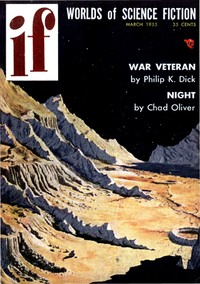
This digital edition of The 3rd Party — Key Ideas to Explore is described by source-level measurements including 13,489 words, 59 min estimated reading time, and 2 detected text sections.
The text analysis averages about 15.5 words per sentence, while the detected sections provide another way to judge how the source is divided.
Project Gutenberg metadata also associates the work with “Science fiction,” connecting these edition facts with the source record’s subject description.
Explore this collection
These alternatives are selected using recorded categories and estimated reading time.
About 48 minutes
Machines Invention
10,910 recorded words. 11 minutes difference from this book's estimate.
View Gutenberg source #59323About 47 minutes
Machines Invention
10,633 recorded words. 12 minutes difference from this book's estimate.
View Gutenberg source #51531About 45 minutes
Machines Invention
10,169 recorded words. 14 minutes difference from this book's estimate.
View Gutenberg source #51741Search stored excerpts and compare books → Choose by your preferences →
Choices use stored catalog measurements. Estimates vary with reading speed. A shared category is a catalog label, not a claim that two books have the same argument or literary quality.
Search reads excerpt text stored with this catalog and links to its associated Gutenberg record. The connection is stored in the site database; this tool does not recheck that every excerpt is word-for-word identical to that external record. Excerpt search does not cover every chapter and does not verify historical publication dates.
Catalog snapshot checked: 2026-09-26. Coverage: 96 public books, 96 available source excerpts.
Calculated from edition completeness, EPUB availability, text structure and catalogue metadata. Not a user rating.
Total of 100 points, scaled to a 2.5-5.0 range. Editions with an empty description or a missing EPUB file are not scored.
Public-domain source text
The source text is kept in the dedicated reader, separate from this catalogue record and its commentary.
The story opens with a dense, sensory description of a snowbound rocket terminal, where the howling wind and swirling snow are set against the hurried movements of passengers. This initial scene establishes a world of routine space travel, but the weather and the impersonal crowds create an atmosphere of isolation and tension. The narrative voice is direct and observational, focusing on physical details—the glass elevator cage, the stewardess checking tickets, the rocket's orange flame—before pivoting to the abduction plot.
The narrative moves from the crowded terminal to the claustrophobic interior of the rocket, then to a mountain hideout. Each setting change alters the pace: the terminal is bustling with activity, the rocket launch is a controlled sequence of warnings and vibrations, and the hideout introduces long periods of waiting. The description of the hideout—a log-faced lodge with luxurious interiors—contrasts with the earlier technological environments. The pacing slows during the three-day wait, with characters fishing, watching television, or playing cards, while the police stake out the Denver house. This lull is broken by the arrival of Miguel Gomez, who reveals a new plan involving a rocket crash. The text uses these shifts to build suspense, alternating between action and stillness.
Holum's prose is plain but precise, relying on sensory details to convey mood. The wind 'sings its mournful song' and fires 'volleys of snow against the glass,' while the stars glitter 'like icy diamonds.' These similes are functional, not ornamental, grounding the reader in the characters' physical experience. Dialogue is sparse and utilitarian, used to advance the plot rather than reveal character. The police patrolman's report is a list of observable facts: height, hair color, clothing. This matter-of-fact voice extends to the villains, whose plans are stated without embellishment. The narrative rarely enters characters' thoughts; instead, it reports actions and external events, creating a documentary feel.
The story repeatedly emphasizes observation and detection. The police patrolman uses light-amplifying binoculars and switches to ultraviolet sensitivity to check for code numbers. The police plane tracks the fugitives with infrared detectors. The hideout is discovered through patient stakeouts and radar. These details reflect the story's Cold War context, where technology is both a tool and a threat. The motif extends to the villains' own paranoia: Juarez suspects he is being followed, and the new plan involves framing the North Americans with 'evidence of general negligence.' The narrative thus builds a world where everyone is watching, and the third party remains an unseen manipulator.
Readers should attend to how Holum uses the weather and the physical environment to mirror the political chill of the story. The snow, the cold moonlight, and the ice-covered lake are not mere backdrop but active elements that shape the plot's rhythm. The novella's brevity—under 14,000 words—means that every scene serves the escalating tension, and the narrative voice remains consistently external, leaving the reader to infer the characters' inner states from their actions.
That rainy afternoon, I kept thinking about how Holum’s scientists never chose their chases, only survived them—like weather. The panic in those crowded terminals stayed with me, so I set the book down and reached for something softer, finding My Lady Greensleeves — Background and Themes. It offered quiet corridors instead of mountain hideouts, a different kind of waiting. The rain never stopped, and neither did that thought.
Use these questions to collect your thoughts before moving on.