
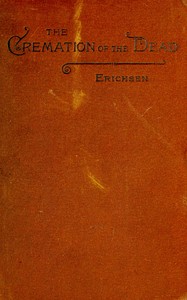
The cremation of the dead by Hugo Erichsen
So, I picked up Hugo Erichsen's The Cremation of the Dead thinking it might be a macabre historical curiosity. I was wrong. It's a fiery piece of persuasive writing from 1887 that reads like a manifesto. Erichsen, a doctor, isn't just describing a practice; he's on a crusade to change minds.
The Story
There's no traditional plot with characters. Instead, the 'story' is the argument itself. Erichsen systematically builds his case for cremation. He starts by tackling the biggest hurdle: public disgust and religious opposition. He then lays out the 'villains' of his piece: the overcrowded, urban cemeteries of the late 1800s. With grim detail, he describes them as sources of pollution and disease, contaminating water and soil. He presents cremation as the heroic, sanitary, and modern solution. The book walks you through the early technology (crematorium designs are discussed!), addresses legal hurdles, and even rebuts common objections about cost and sentiment. The narrative drive comes from following his relentless logic from problem to solution.
Why You Should Read It
What gripped me wasn't the topic of cremation itself, but watching a revolutionary idea fight for air. You feel Erichsen's frustration and his hope. This book is a snapshot of a moment when science and tradition clashed over everyday life. It makes you think: what normal practices today would have seemed shocking or immoral 150 years ago? It’s also surprisingly human. Beneath the medical jargon, there's a clear respect for the dead and a genuine desire for a better, healthier system for the living. You're not reading a dry textbook; you're listening to a very convinced, slightly exasperated expert trying to drag society into the future.
Final Verdict
This isn't for everyone. If you want a novel, look elsewhere. But if you're fascinated by social history, medical history, or the psychology of how new ideas spread, it's a gem. It's perfect for history buffs who enjoy primary sources, for anyone interested in the Victorian era's obsessions with death and hygiene, or for readers who like seeing where our current customs come from. It's a short, potent dose of a past debate that still echoes in our conversations about green burials and urban planning. A truly unique slice of time.
This book is widely considered to be in the public domain. It serves as a testament to our shared literary heritage.
George White
10 months agoI decided to give this a try based on a colleague's recommendation, the level of detail in the second half of the book is truly impressive. A perfect balance of theory and practical advice.
Mark Jones
11 months agoAfter finishing this book, it provides a comprehensive overview perfect for everyone. A true masterpiece.
Kevin Rodriguez
1 year agoSurprisingly enough, the emotional weight of the story is balanced perfectly. I learned so much from this.
Susan Rodriguez
11 months agoAfter finishing this book, the emotional weight of the story is balanced perfectly. Exceeded all my expectations.

Ashley Harris
5 months agoAfter spending a few days with this digital edition, the visual layout and supporting data make the reading experience very smooth. Well worth the time invested in reading it.